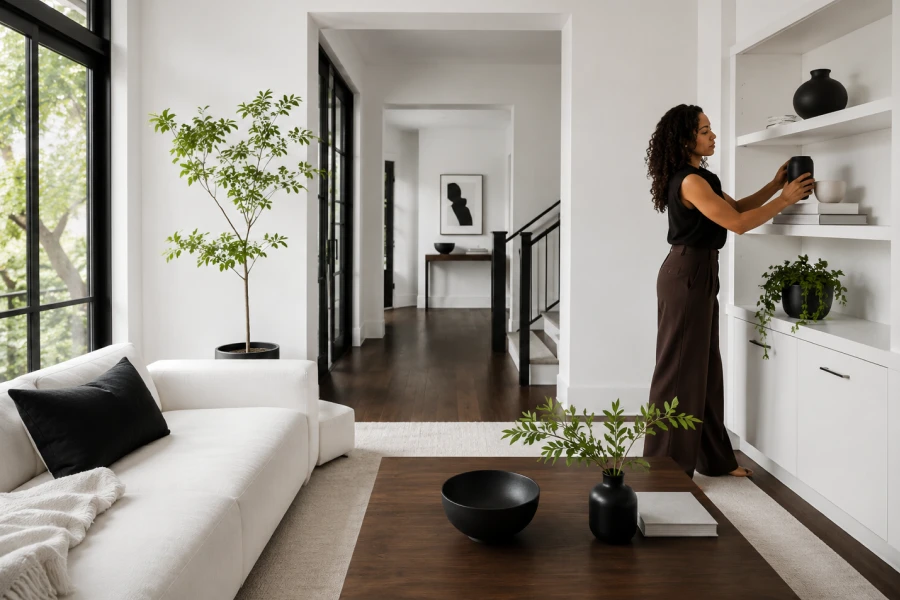
Clutter free home design is not about empty rooms or strict minimalism. It is about creating spaces that support the way you actually live. A calm home still has personality. It still has books, art, tools, family items, and daily essentials. The difference is intention. Every visible item earns its place. Every storage choice solves a real problem. Rooms become easier to move through. Surfaces become easier to use. Your mind feels less crowded. A well-designed home can feel warm, practical, and beautifully edited at the same time.
Before buying storage, decide what each room needs to do. A living room may support rest, conversation, play, and entertainment. A bedroom should protect sleep. A kitchen should make meals easier. Purpose helps you remove items that do not belong. It also helps you choose better storage. This is where intentional home organization becomes more useful than random decluttering. You stop asking where everything fits. You start asking whether it supports the room. That question changes the design process.
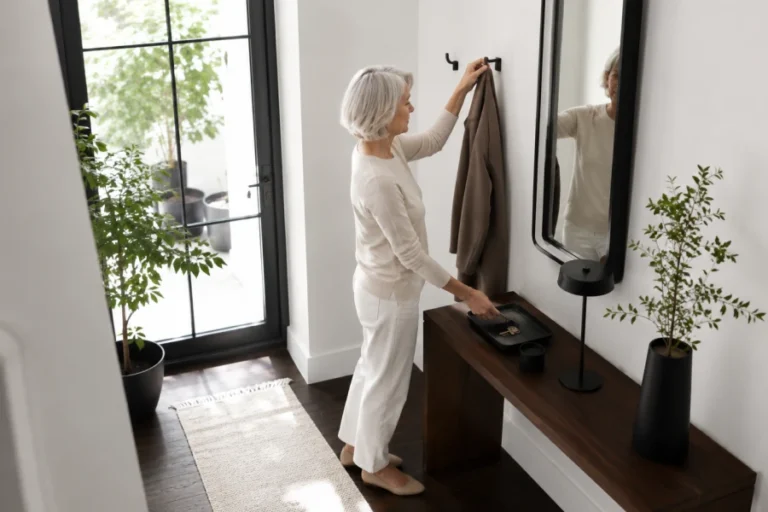
Clutter often appears where movement feels awkward. Shoes pile up where storage is too far away. Papers collect where decisions happen. Laundry lands where baskets are missing. Watch how people move through your home. Notice the friction points. Then design storage near those moments. A hook beside the door may solve more than a decorative cabinet. A tray near the kitchen may stop paper drift. Good design follows behavior. It does not fight it. When storage meets movement, rooms stay clearer with less effort.
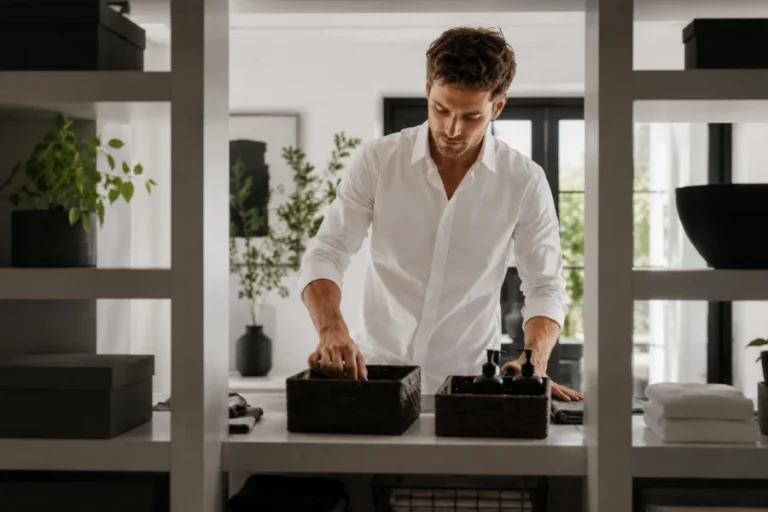
Visibility helps you find things, but too much visibility creates noise. Open shelving works best for beautiful, edited categories. Closed cabinets work better for mixed supplies. Clear containers help in closets, pantries, and utility spaces. Labels can help, but they should not become decoration overload. The goal is easy recognition. A thoughtful smart storage solution lets you see what matters without displaying everything. That balance keeps rooms calm. It also prevents duplicate purchases. You use what you can find.
Organizing too early can preserve clutter in prettier containers. Editing comes first. Remove items that are broken, unused, duplicated, or emotionally heavy. Then group what remains by function. Only after that should you choose storage. This order saves money. It also creates more accurate systems. You may discover you need fewer bins than expected. You may also find better places for daily items. Editing is not about deprivation. It is about making room for what supports your life now. The home becomes lighter because the decisions are clearer.
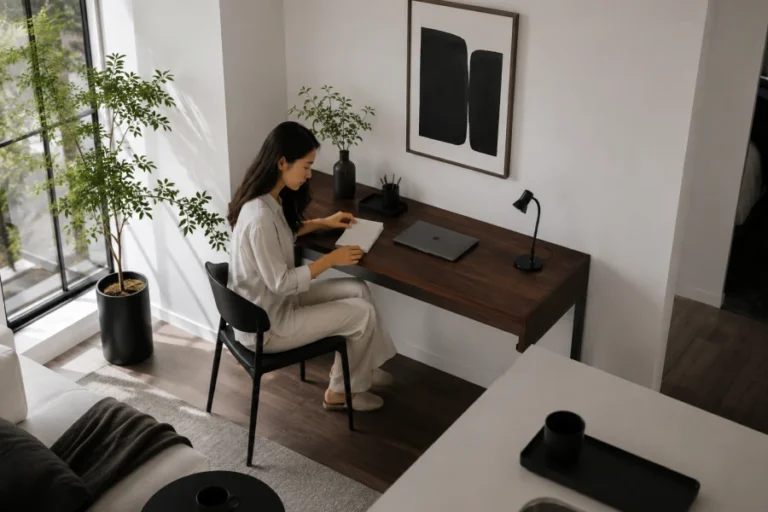
Surfaces influence how tidy a room feels. A crowded coffee table can make a clean room look messy. A clear counter can make a busy kitchen feel manageable. Choose a few intentional surface moments. Keep one tray, one lamp, or one decorative object. Leave breathing room around them. This supports minimalist home layout ideas without making the space feel bare. Calm surfaces help the eye rest. They also make cleaning faster. That practical benefit keeps the design sustainable.
A beautiful system fails if it is too difficult. Choose storage that opens easily. Avoid stacking containers you use every day. Keep heavy items low. Store seasonal items higher or farther away. Make the most common actions simple. A system should reduce effort, not add ceremony. Test each room for one week. Notice what stays tidy. Notice what falls apart. Then adjust. A clutter-free home is not designed once. It evolves as your routines, belongings, and needs change.

Leave a comment