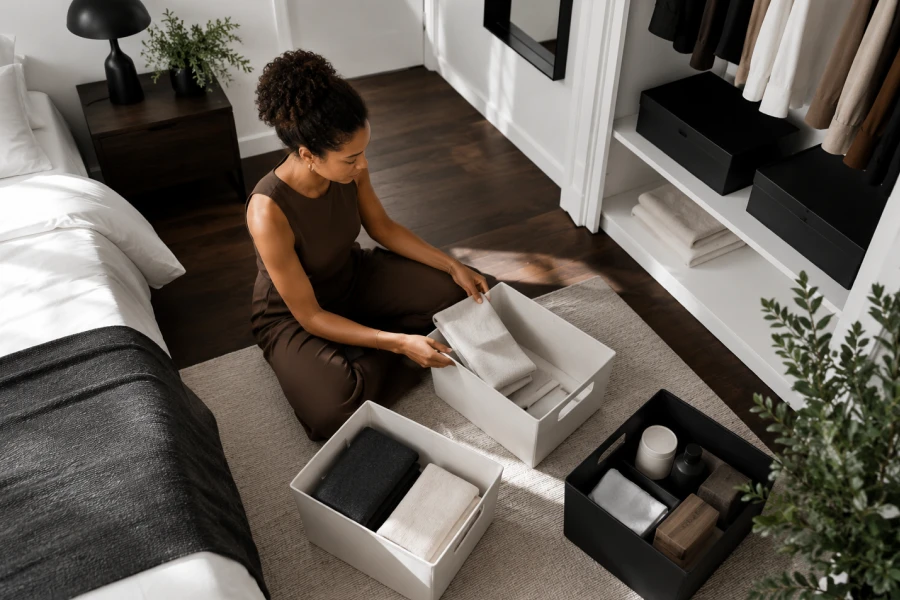
Decluttering and smart organization work together, but they are not the same task. Decluttering removes what no longer serves you. Organization gives what remains a useful place. When people skip the first step, they organize too much. When they skip the second step, clutter returns quickly. A flowing home needs both. It needs fewer unnecessary items. It also needs practical systems for daily life. The result is not a perfect showroom. The result is a home that feels easier to move through, easier to clean, and easier to enjoy.
Honest sorting means looking at what you actually use. Keep items that support your routines, comfort, work, or joy. Question duplicates, broken pieces, and items saved for imaginary futures. Start with one category, not one whole room. Clothes, papers, kitchen tools, and toiletries all reveal patterns. This focused method supports home decluttering strategy without creating chaos. You make decisions in smaller groups. That reduces fatigue. It also helps you see how much you own. Clarity makes the next step easier.
Some items stay because they hold memories. Others stay because they serve daily life. Problems arise when those categories mix everywhere. Create a specific place for sentimental items. Keep it limited, respectful, and protected. Daily storage should serve current routines. This separation prevents emotional objects from crowding practical spaces. It also helps you honor memories without letting them control every drawer. A memory box can feel more meaningful than scattered keepsakes. Utility spaces become easier to use. Sentimental items become easier to appreciate.
Containers should fit the category and the habit. A deep bin may work for blankets. It may fail for small bathroom products. A drawer divider may work for tools. It may frustrate children putting toys away. Choose containers after sorting, not before. This supports space saving home ideas that match real belongings. Good containers make access easy. They also create natural limits. When the container is full, the category needs attention. That signal keeps clutter from quietly rebuilding.
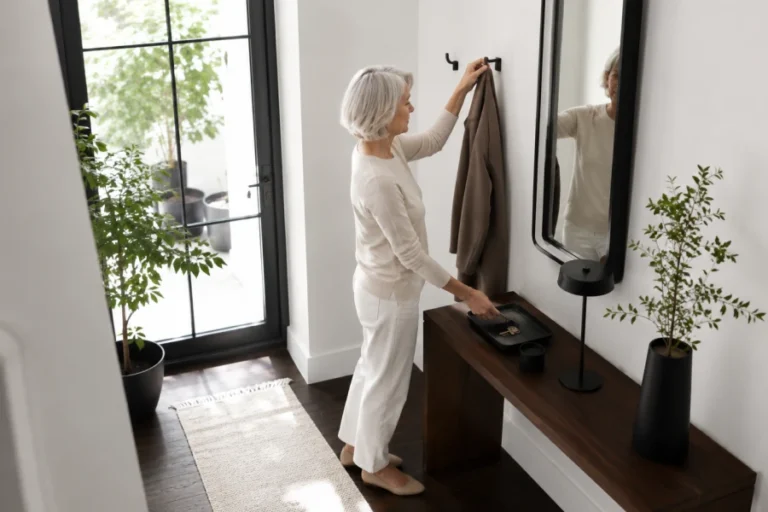
Drop zones prevent clutter from spreading. They give temporary items a controlled landing place. Add one near the entrance for mail, keys, and bags. Add one near the kitchen for papers needing action. Add one near the bedroom for clothes in transition. The key is reviewing these zones regularly. A drop zone should not become permanent storage. It is a short pause, not a final home. When used well, drop zones reduce mess. They also make daily movement smoother. The home feels more forgiving and organized.
Cleaning becomes faster when surfaces hold fewer objects. Dusting takes less time. Vacuuming becomes easier. Counters can be wiped without moving piles. This practical benefit is often overlooked. A clear home does not only look better. It takes less energy to maintain. That is why clutter free living tips can improve your weekly schedule. You spend less time fighting the same mess. Maintenance becomes lighter. The home starts supporting you instead of demanding constant attention.
Your home will change as your life changes. New hobbies, schedules, seasons, and family needs will affect storage. A rigid system can break under those changes. A flexible system adapts. Leave some empty space in drawers and closets. Review busy areas monthly. Adjust categories when routines shift. Do not treat organization as a one-time event. Treat it as a living structure. That mindset removes pressure. It also keeps your home functional longer. Flow comes from regular attention, not from one perfect weekend.

Leave a comment