Knowing how to design a clutter free home helps you create calm without losing character. Many people imagine blank rooms when they hear clutter-free. That is not the goal. A good home still feels personal, layered, and welcoming. It simply has fewer distractions. It gives daily items better places to live. It uses space with purpose. It lets beautiful objects breathe. Most importantly, it supports your routines. When design and organization work together, your home feels lighter, warmer, and much easier to maintain.
Every room needs a clear role before storage decisions begin. Decide what each space should help you do. Rest, cook, work, gather, play, or prepare for the day. Then remove items that fight that purpose. A bedroom should not become long-term paperwork storage. A dining table should not become a permanent mail center. This thinking supports room by room organization with more intention. Each space becomes easier to understand. It also becomes easier to reset. Purpose creates calm before decor does.
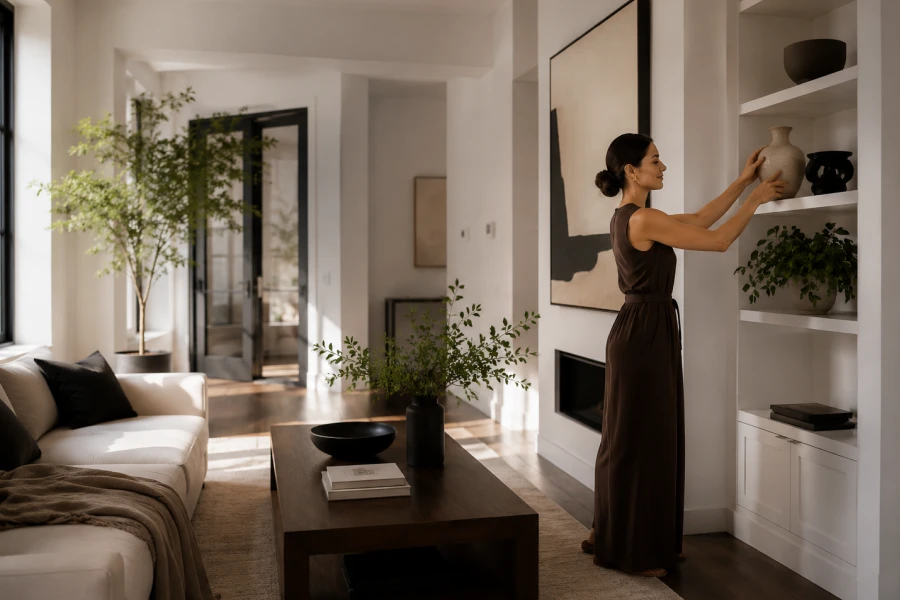
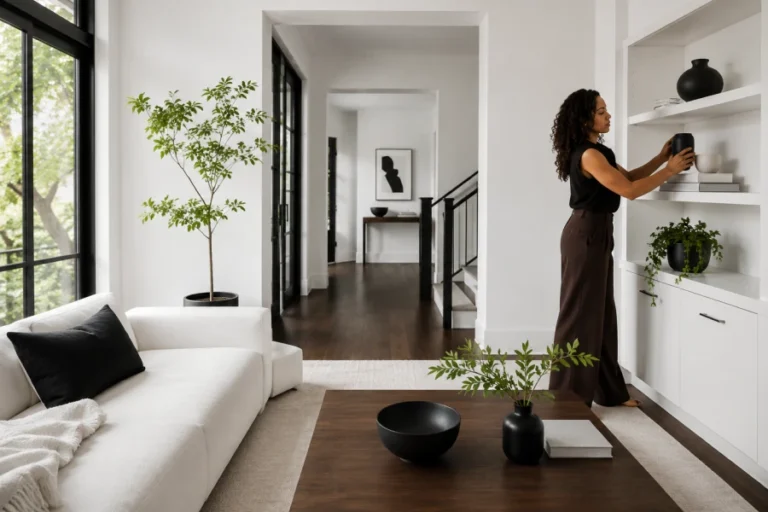
A warm home needs visual interest. It does not need every surface filled. Choose a few meaningful moments in each room. A textured lamp, framed print, ceramic bowl, or stack of favorite books can create depth. Leave space around those pieces. Breathing room makes ordinary decor feel more elevated. It also makes cleaning easier. Avoid spreading small objects everywhere. Group them intentionally instead. The room will feel calmer and more styled. Editing visual moments helps personality stand out rather than disappear into clutter.
Hidden storage keeps daily life from overwhelming the room. Closed cabinets, skirted consoles, lidded baskets, and storage benches all help. Use them for mixed categories that do not look beautiful on display. Keep open shelves for edited items only. This gives you a more polished organized interior design approach. The room can still function hard. It simply does not show every function at once. Hidden storage protects the mood of the space. It makes calm easier to maintain.
Empty space is not wasted space. It helps the eye rest. It makes furniture feel more intentional. It improves movement through the room. It also creates a sense of calm that decoration cannot fake. Leave space on shelves. Leave space in drawers. Leave space between furniture pieces when possible. These pauses make a home feel more generous. They also make future maintenance easier. When every area is packed, any new item creates stress. Empty space gives your home flexibility. That flexibility feels luxurious in daily life.
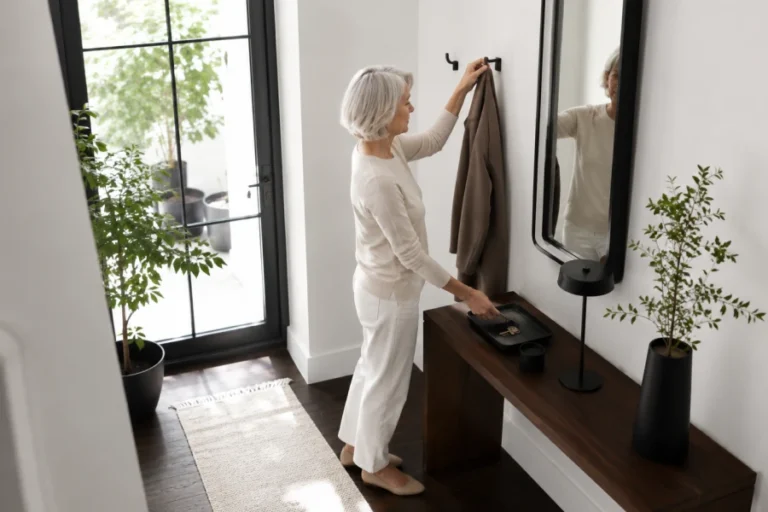
Design sets the stage, but rituals keep the home working. Reset surfaces at the end of the day. Return items to their zones. Review storage before it overflows. Donate what no longer fits your life. This is how functional home organization stays beautiful over time. Rituals do not need to be long. They simply need to be repeatable. A few minutes can protect the design you created. Consistent maintenance keeps warmth from turning into clutter.
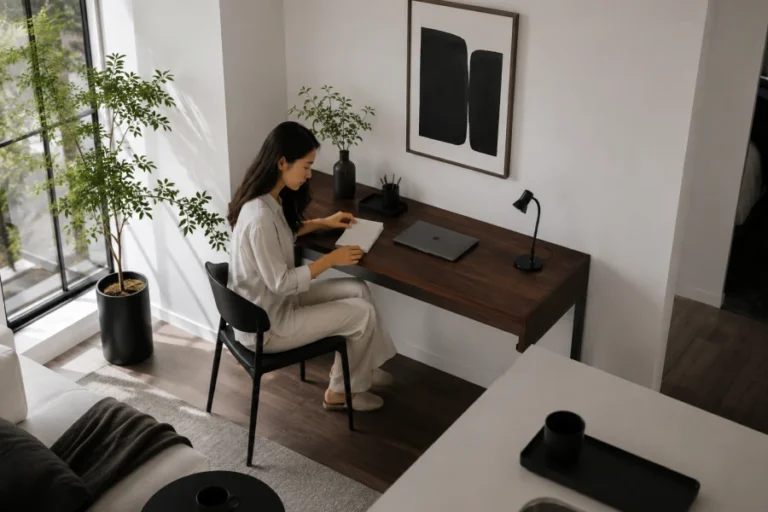
A clutter-free home should never feel like a museum. It should support your real mornings, meals, hobbies, work, and rest. If children use the room, make cleanup simple. If you cook often, keep tools accessible. If you work from home, plan storage for papers and devices. Honest design creates lasting calm. It also prevents shame. Your home does not need to copy someone else’s lifestyle. It needs to serve yours beautifully. When that happens, clutter-free living feels comfortable, personal, and realistic.

Leave a comment