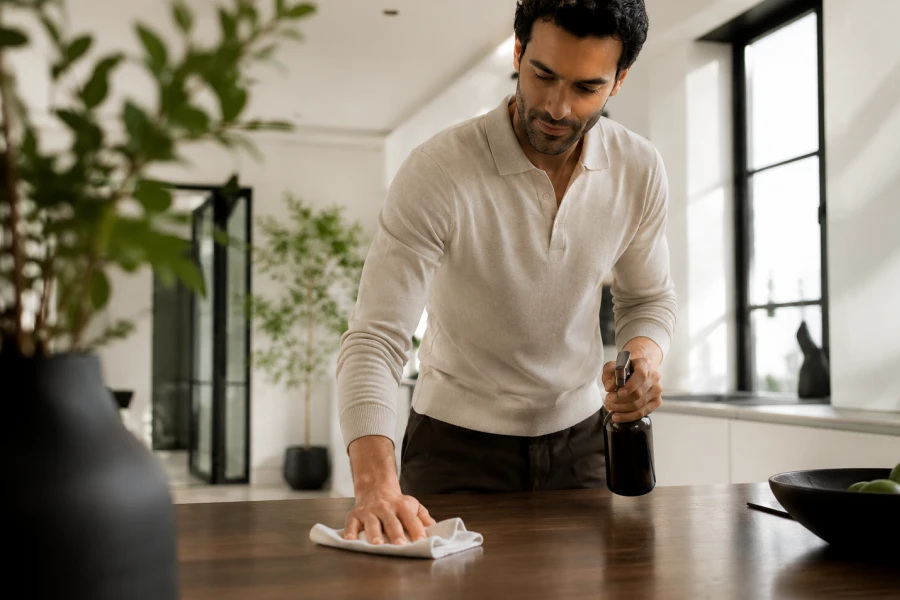
Tidy home habits for busy people should feel supportive, not strict. Busy schedules leave little room for complicated systems. That is why simple habits matter. They reduce visual noise before it becomes overwhelming. They also create small moments of control during full days. A tidy home can support rest, focus, and family life. It does not need to look staged. It only needs to function smoothly. With the right habits, maintenance becomes less emotional. Your home starts to feel like a place that helps you recover.
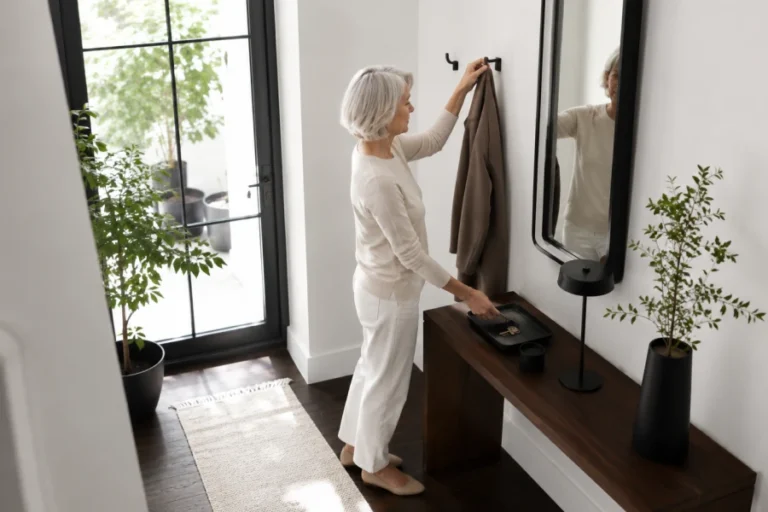
The entryway often decides how the rest of the home feels. Bags, shoes, mail, and keys can spread quickly. Give each item a landing place. Use hooks, baskets, trays, or a narrow cabinet. Keep the system visible and easy. A complicated entry setup will not survive a rushed evening. This is why quick home reset ideas should start with arrival habits. When the door area works, clutter stops earlier. The home feels calmer within minutes. That first zone sets the tone.
The one-touch rule helps prevent clutter piles. Put an item where it belongs the first time you handle it. Hang the coat instead of dropping it. Recycle the envelope after opening it. Place the cup in the dishwasher. This habit sounds small, but it removes repeated work. You stop moving the same item five times. You also reduce mental clutter. The rule will not work every time. That is fine. Even partial consistency helps. A home improves quickly when fewer items linger in temporary places.
An evening anchor is one action that always happens. It might be clearing the kitchen counter. It might be resetting the sofa. It might be loading dishes. Choose the action that gives you the most relief. Then attach it to something you already do. After dinner, clear the table. Before brushing teeth, move laundry. This supports a daily home organization routine without adding complexity. Anchors work because they connect new habits to old rhythms. They make tidiness feel less like a separate project.
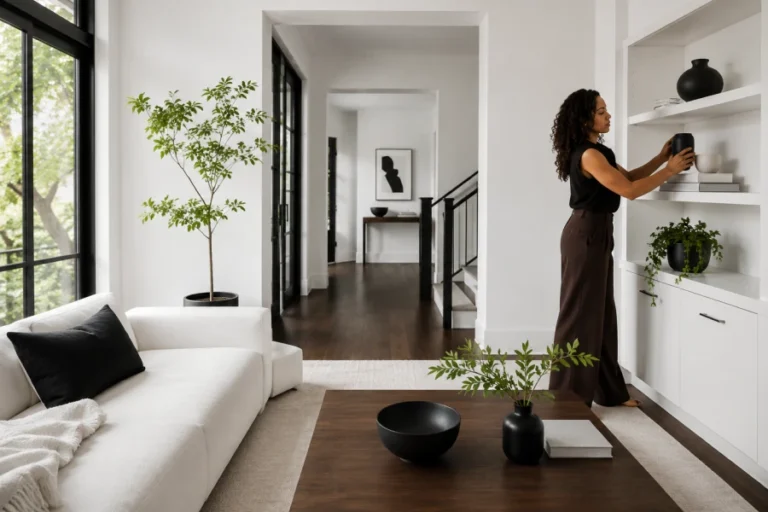
Containers help busy homes stay honest. A basket can hold toys, but it also shows when toys need editing. A tray can hold daily papers, but it prevents paper from covering the table. A drawer can hold cables, but it should not become a junk archive. Containers work best when they create limits. They keep categories visible. They also make cleanup faster. When a container fills, make a decision. Remove, relocate, or reduce. The container becomes a quiet reminder. It tells you when maintenance is needed.
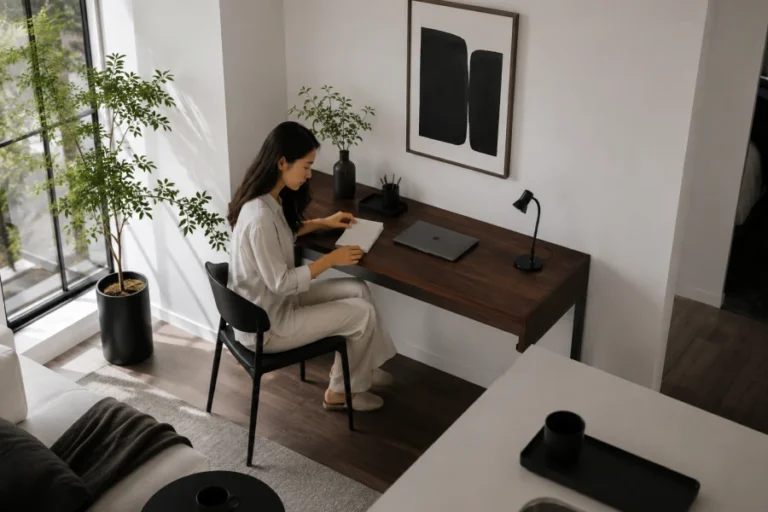
Morning stress often begins the night before. Clothes on the floor slow you down. Dishes in the sink make breakfast harder. Missing keys create instant frustration. Protect tomorrow with a short reset tonight. Place essentials where they belong. Clear one main surface. Prepare the next day’s first step. A no overwhelm cleaning method makes mornings easier without demanding a perfect home. You are not cleaning for appearances. You are creating a smoother start. That practical payoff makes the habit stick.
Busy people need standards that survive real life. Good enough means the home supports you. It does not mean every drawer is perfect. It means the main rooms feel usable. It means daily items have homes. It means you can reset without panic. This mindset prevents all-or-nothing thinking. A missed day does not ruin the system. You simply return to the next small habit. Over time, those habits create a home that feels lighter. The result is not perfection. It is breathing room you can actually maintain.

Leave a comment